Linen and cotton herringbone fabric – gray with a slight green tint
Quantity: 8.5 m
Couldn't load pickup availability
- Width: 135 cm
- Composition: 55% linen, 45% cotton
- Weight: 170 g/m²
- Certificates: -
- Country of Origin: China
- Elastic: No
Natural, breathable linen and cotton fabric with a beautiful herringbone pattern. The tone is calm, greyish olive green / army green, which looks very tasteful both in everyday clothing and in natural-style accessories.
The fabric composition is 55% linen and 45% cotton, so it combines the natural texture of linen with the softer feel of cotton. The fabric is woven, without stretch, medium-lightweight, and suitable for projects where you want a natural, slightly structured look.
Suitable for sewing:
dresses, skirts, trousers, shirts, light jackets, vests, bags, aprons, pillowcases, and other home textile projects.
Parameters:
- Composition: 55% linen, 45% cotton
- Width: 137 cm
- Weight: 170 g/m²
- Fabric type: woven fabric
- Pattern: herringbone / herringbone
- Shade: army green / greyish olive green
Before sewing, it is recommended to wash the fabric, as natural linen and cotton fabrics may shrink slightly.
Care
Care
-Wash in a washing machine at 30
-Do not bleach
-Iron on the lowest temperature on the wrong side of the fabric.
-Do not dry clean
-Do not tumble dry
-Natural fabrics often shrink by 5-7% when washed, so before starting to sew this fabric, it is highly recommended to wash it.
Delivery
Delivery
Latvia
1–3 business days
Omniva parcel locker
3,30 EUR
Free from 70,00 EUR
DPD parcel locker
4,99 EUR
Courier delivery
up to 3 kg
11,90 EUR
Courier delivery
over 3 kg
15,90 EUR
You can view delivery prices to other European countries in the top menu under “Delivery”.
Minimum order quantity...
Price is indicated per 1 meter Minimum order quantity for this product is 0.1m (10cm) each subsequent step is 10cm
Important information about fabrics
Fabrics are measured and cut manually, so a slight deviation of up to ±2% is possible in the ordered length.
The actual color of the fabric may differ slightly from what is shown in the image depending on the color settings of the screen, monitor, or device. Slight shade differences may also occur between different production or dyeing batches.
Light-colored fabrics, natural fibers, and fabrics with certain structures may have slight variations in shade, fibers, weave, or texture that are characteristic of the specific material. Light-colored fabrics may contain woven-in threads of other colors.
When ordering more than 5 meters of the same fabric, the ordered quantity may be delivered in several separate pieces.

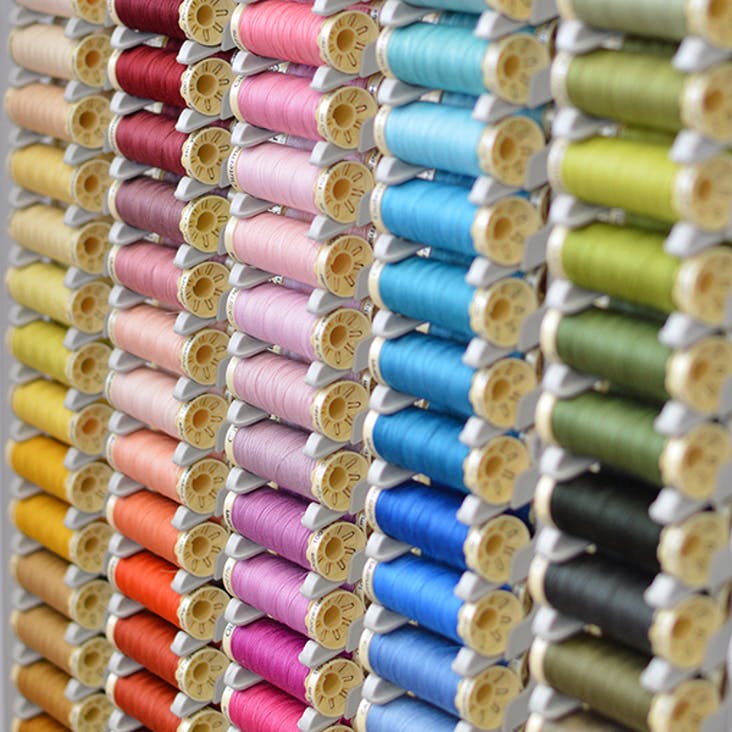
To ensure a flawless result and make small imperfections unnoticeable, choose a thread that matches the fabric.
Need help? Check out the latest blog posts
View all-
How Much Fabric Do You Need for Bedding? Fabric...
Planning to sew your own bedding? Find out how much fabric you need and use our handy calculator to work out the fabric required for sewing a sheet, duvet cover,...
How Much Fabric Do You Need for Bedding? Fabric...
Planning to sew your own bedding? Find out how much fabric you need and use our handy calculator to work out the fabric required for sewing a sheet, duvet cover,...
-
SERAFLEX Stretch Sewing Thread – Does It Really...
Did you know that you can sew stretchy fabrics on a regular sewing machine using a straight stitch? And that there are special threads that stretch with the fabric? Today...
SERAFLEX Stretch Sewing Thread – Does It Really...
Did you know that you can sew stretchy fabrics on a regular sewing machine using a straight stitch? And that there are special threads that stretch with the fabric? Today...
-
How to Choose Industrial Sewing Machine Needles?
Interactive guide to choosing needles for industrial sewing machines. Determine the machine’s needle system, the tip suited to the material, and the size.
How to Choose Industrial Sewing Machine Needles?
Interactive guide to choosing needles for industrial sewing machines. Determine the machine’s needle system, the tip suited to the material, and the size.